
-
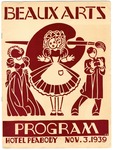
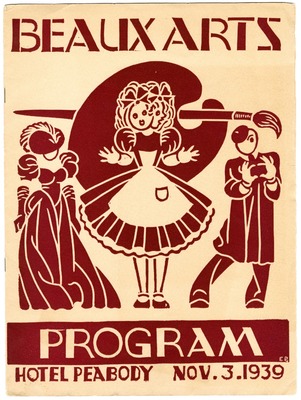
Hotel Peabody, Memphis, Beaux Arts Ball program, 1939
Program for the Beaux Arts Ball held at the Hotel Peabody, Memphis, Tennessee, on November 3, 1939. The ball included the presentation of 10 debutantes.
-
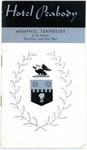
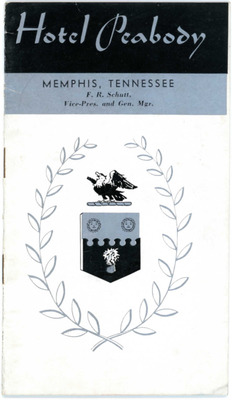
Hotel Peabody, Memphis, booklet, 1930s
Booklet published by the Hotel Peabody, Memphis, Tennessee, describing its facilities and the attractions of Memphis, 1930s.
-
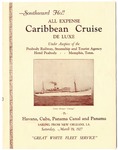
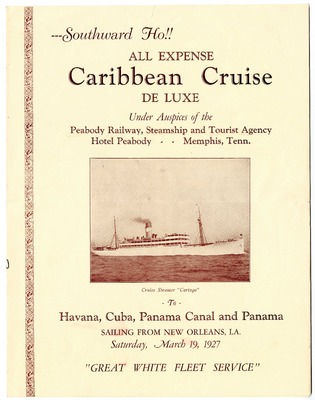
Hotel Peabody, Memphis, Caribbean cruise brochure, 1927
Brochure from the Peabody Railway, Steamship and Tourist Agency in the Hotel Peabody, Memphis, Tennessee, promoting a Caribbean cruise on the Steamer "Cartago" to Havana, Cuba, and Panama including the Panama Canal. The cruise left New Orleans on March 19 and returned there on April 4, 1927. The "Cartago" was one of a fleet of ships known as the "Great White Fleet" because the ships were painted white and were operated by the United Fruit Company to transport bananas and passengers. Each ship carried an average of 35,000 bunches of bananas and 50-100 passengers. United Fruit claimed their ships were built especially for luxurious tropical travel.
-
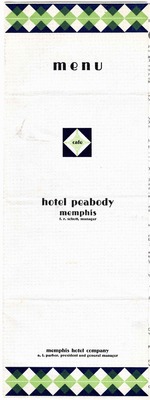
Hotel Peabody, Memphis, menu, 1931
Lunch menu of the Hotel Peabody in Memphis, Tennessee, for Tuesday, February 17, 1931.
-
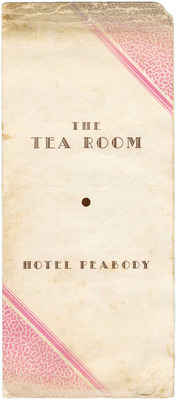
Hotel Peabody, Memphis, menu, 1936
Menu for The Tea Room at the Hotel Peabody, Memphis, Tennessee, for Monday, March 16, 1936.
-
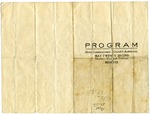
Howe Institute commencement program, Memphis, 1913
Commencement program for the Howe Institute held in Church's Auditorium, Memphis, Tennessee, on May 22, 1913. Howe Institute was founded in 1888 by Peter Howe of Illinois. It was originally called the Memphis Baptist and Normal Institute and was one of the earliest private educational facilities for African Americans in Memphis. In 1902, Thomas O. Fuller was named principal and he was able to expand the school. The campus came to comprise five buildings including the original Howe Building, an Industrial Shop for the printing and sewing departments, a Teacher's College building, and the Clara Howe Dormitory for girls. The Institute relied on support from tuition and donations, and the Great Depression saw both decline. In 1937, its buildings were sold and Howe merged with LeMoyne College.
-
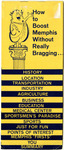
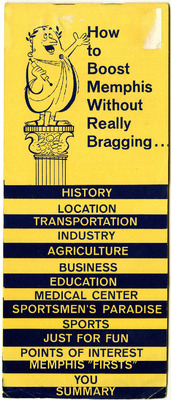
How to Boost Memphis Without Really Bragging, circa 1961
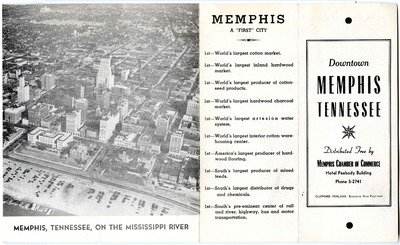
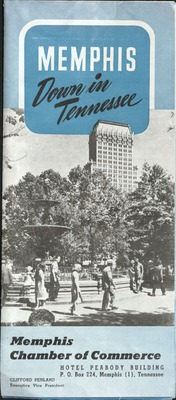
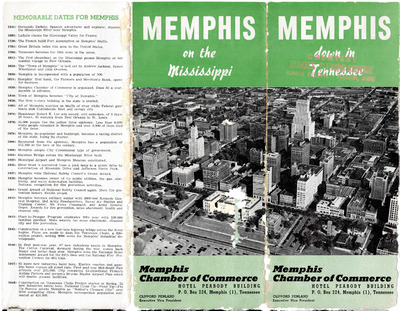
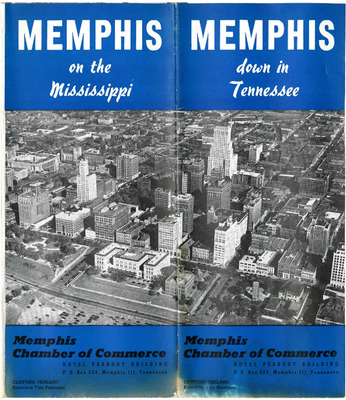
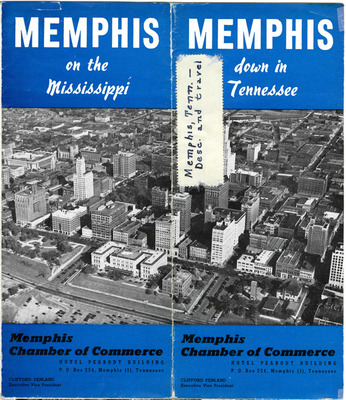
Booklet titled "How to Boost Memphis Without Really Bragging..." published by the Memphis Chamber of Commerce, Memphis, Tennessee, offering information on the city to facilitate its promotion, circa 1961.
-
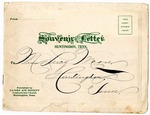
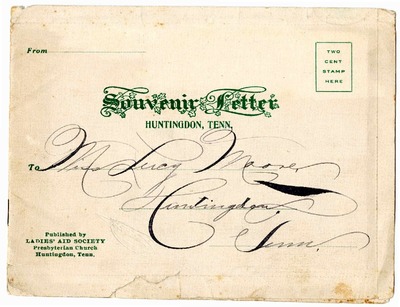
Huntingdon, Tennessee, souvenir booklet
Souvenir booklet of photographs of Huntingdon, Carroll County, Tennessee, produced in the first years of the twentieth century. Published by the Ladies' Aid Society of the Presbyterian Church in the town, the unmailed "souvenir letter" contains eight photographs and is addressed to Miss Lucy Moore in Huntingdon.
-
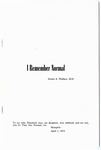
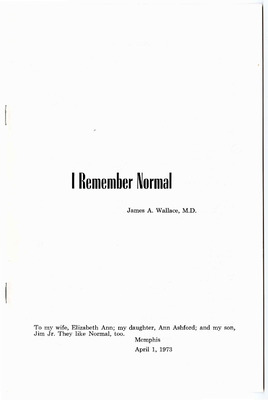
I Remember Normal, Memphis, 1973
6-page booklet titled "I Remember Normal" by Dr. James A. Wallace published in 1973. It is a reminiscence of the Normal Station neighborhood in Memphis, Tennessee, situated across the railroad south of the West Tennessee State Normal School, later the University of Memphis.
-
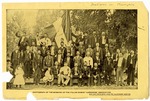
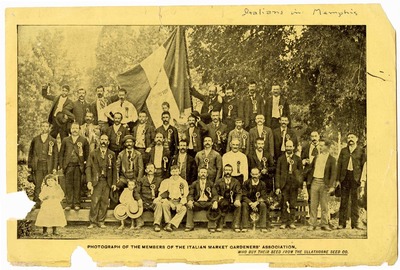
Italian Market Gardeners' Association, Memphis, Tennessee
Undated photograph of the members of the Italian Market Gardeners' Association, Memphis, Tennessee. The image was reproduced on a page removed from a catalog published by the Joe L. Ullathorne Seed Company of Memphis.
-
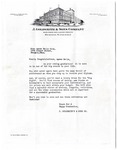
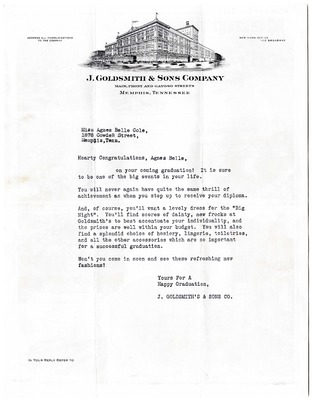
J. Goldsmith and Sons Co. letter, Memphis, circa 1940
An undated letter (circa 1940) from J. Goldsmith and Sons Company, the Memphis, Tennessee department store located at Main, Front and Gayoso, to Miss Agnes Belle Cole of 1878 Cowden Street, Memphis, offering congratulations on her graduation and inviting her to visit the store to buy a dress and other items for the "Big Night". The verso is an illustrated description of the attractions of Memphis created by the Memphis Chamber of Commerce.
-

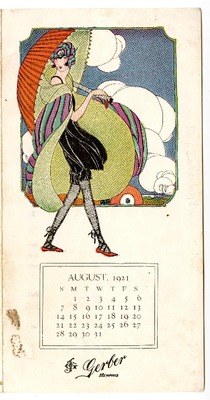
John Gerber advertising pamphlet, Memphis, 1921
A pamphlet from The John Gerber Company advertising its August 1921 sales. John Gerber's department store was founded in Memphis, Tennessee, in 1880 at 25 North Main Street. This large department store suffered fires in 1968 and 1971 and closed in 1974. The building was demolished in the mid-1980s.
-
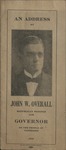
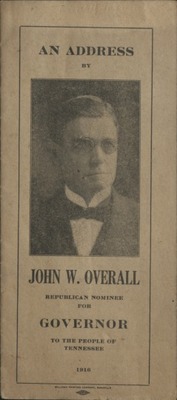
John W. Overall election address, Tennessee, 1916
An address by John W. Overall, the Republican nominee for governor of Tennessee in 1916. Overall, from Liberty, DeKalb County, had served as U.S. marshal for Middle Tennessee. His opponent was the incumbent Democrat Thomas Clarke Rye (1863–1953). Rye defeated Overall by a vote of 146,758 to 117,817.
-
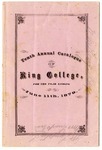
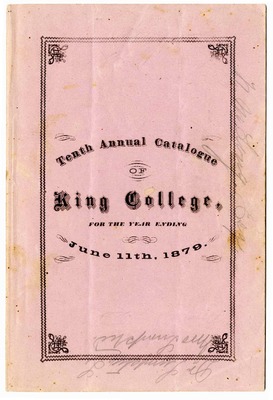
King College catalogue, Bristol, Tennessee, 1878
Tenth annual catalogue of King College in Bristol, Tennessee, for the year ending June 11th, 1879. Pages 3-4 are missing and pages 5-6 are damaged. In April 1866, the Holston Presbytery assembled at the old Pleasant Grove Church in Bristol to establish a Christian college. The college was built on 25 acres of land that had been donated by Reverend James King, in whose honor it is named. The first classes were offered in August 1867. When the college outgrew its small campus, King's grandson, Isaac Anderson, donated land on a hillside east of Bristol and in 1917 the college moved to its present location. In 2013, the college became King University.
-
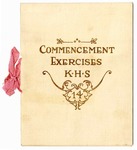
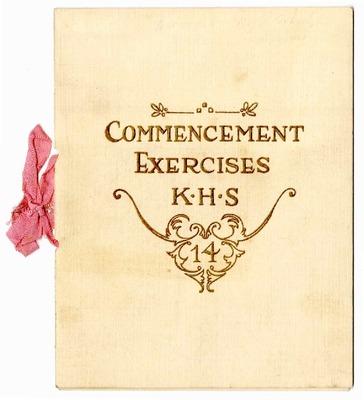
Kortrecht High School, Memphis, commencement program, 1914
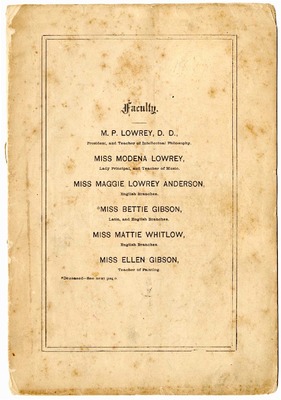
Commencement program for Kortrecht High School, Memphis, Tennessee, held at Church's Auditorium on February 2, 1914. The program includes the names of the graduating class and the faculty of the school. The school was established in 1873 as the Clay Street School, and was one of the first public high schools for African Americans in Memphis. It was renamed Kortrect Grammar soon afterward and Kortrecht High School in 1891. The school relocated from its industrial site to a new building at 715 South Lauderdale and became Booker T. Washington High School in 1926.
-
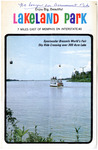
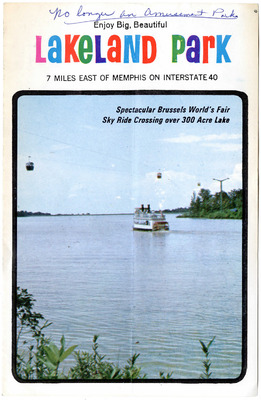
Lakeland Park, Memphis, brochure
Brochure for Lakeland Park, an amusement park in Memphis, Tennessee, undated (circa 1970). The park operated from 1961 to 1977 and after closing it was incorporated as the City of Lakeland.
-
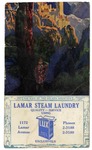
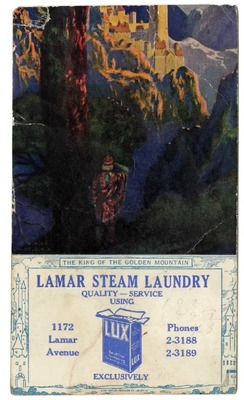
Lamar Steam Laundry, Memphis, advertising blotters
Undated small advertising blotters produced for the Lamar Steam Laundry at 1172 Lamar Avenue, Memphis, Tennessee. The blotters, produced by the calendar manufacturer Gerlach Barklow Company of Joliet, Illinois, featured illustrations from fairy tales: Grimm's "The King of the Golden Mountain" and Hans Christian Andersen's "The Flying Trunk" .
-
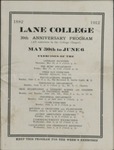
Lane College, Jackson, Tennessee, exercises program, 1912
Program of the 30th anniversary exercises for Lane College in Jackson, Tennessee, for May 30-June 6, 1912. Lane College was founded in 1882 by the Colored Methodist Episcopal (C.M.E.) Church in America as the C.M.E. High School. It was named after Methodist Bishop Isaac Lane who co-founded the school. Planning for the school had begun in 1878 but the school's establishment was delayed by a yellow fever epidemic in the region. Its primary purpose was the education of newly freed slaves. It became Lane Institute in 1884 and Lane College in 1896.
-
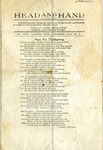
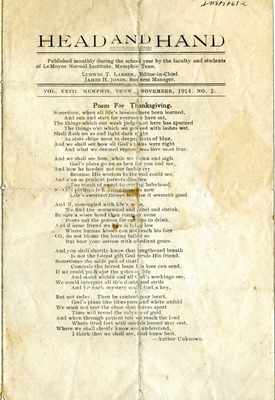
LeMoyne Normal Institute, Memphis, Head and Hand, 27:2, 1914
Vol. 27, No. 2, dated November 1914, of "Head and Hand", the monthly newsletter published by the faculty and students of LeMoyne Normal Institute in Memphis, Tennessee. In 1870, noted abolitionist Francis Julius LeMoyne (1798-1879), a Washington, Pennsylvania, doctor, donated $20,000 to the American Missionary Association to build an elementary and secondary school for prospective African American teachers. In 1914, the school moved from Orleans Street to a site on Walker Avenue. LeMoyne became a junior college in 1924, and a four-year college in 1930. LeMoyne–Owen College was formed through the 1968 merger of LeMoyne and Owen Colleges.
-
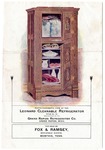
Leonard Cleanable Refrigerator pamphlet, circa 1890
Advertising pamphlet for the Leonard Cleanable Refrigerator manufactured by the Grand Rapids Refrigerator Company of Grand Rapids, Michigan, circa 1890. The agent for the refrigerators in Memphis, Tennessee, was Fox and Ramsey.
-
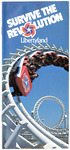
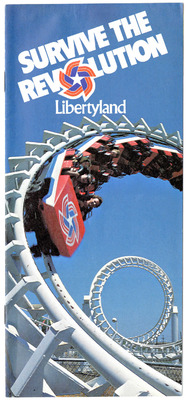
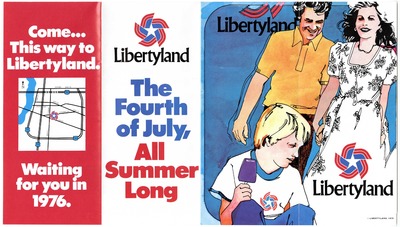
Libertyland brochure, Memphis
Brochure promoting Libertyland amusement park in Memphis, Tennessee, undated. Libertyland opened on the Mid-South Fairgrounds on July 4, 1976 with a variety of rides and other attractions. Though popular, the park struggled financially and it finally closed in 2005.
-

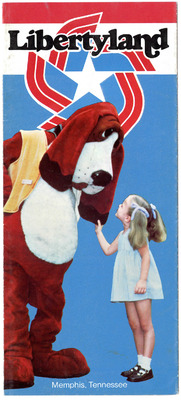
Libertyland brochure, Memphis, 1975
Brochure promoting Libertyland amusement park in Memphis, Tennessee, in 1975. Libertyland opened on the Mid-South Fairgrounds on July 4, 1976 with a variety of rides and other attractions. Though popular, the park struggled financially and it finally closed in 2005.
-
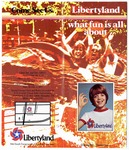
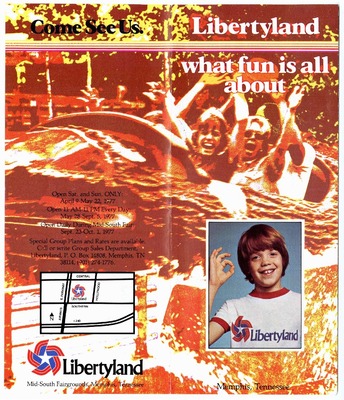
Libertyland brochure, Memphis, 1977
Brochure advertising Libertyland amusement park in Memphis, Tennessee, in 1977. Libertyland opened on the Mid-South Fairgrounds on July 4, 1976 with a variety of rides and other attractions. Though popular, the park struggled financially and it finally closed in 2005.
-
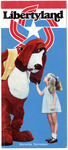
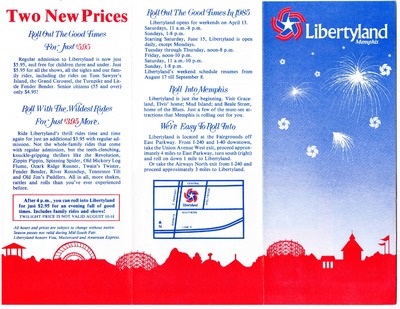
Libertyland brochure, Memphis, 1978
Brochure promoting Libertyland amusement park in Memphis, Tennessee, in 1978. Libertyland opened on the Mid-South Fairgrounds on July 4, 1976 with a variety of rides and other attractions. Though popular, the park struggled financially and it finally closed in 2005.
Printing is not supported at the primary Gallery Thumbnail page. Please first navigate to a specific Image before printing.